From lifestyle to liveability alpha
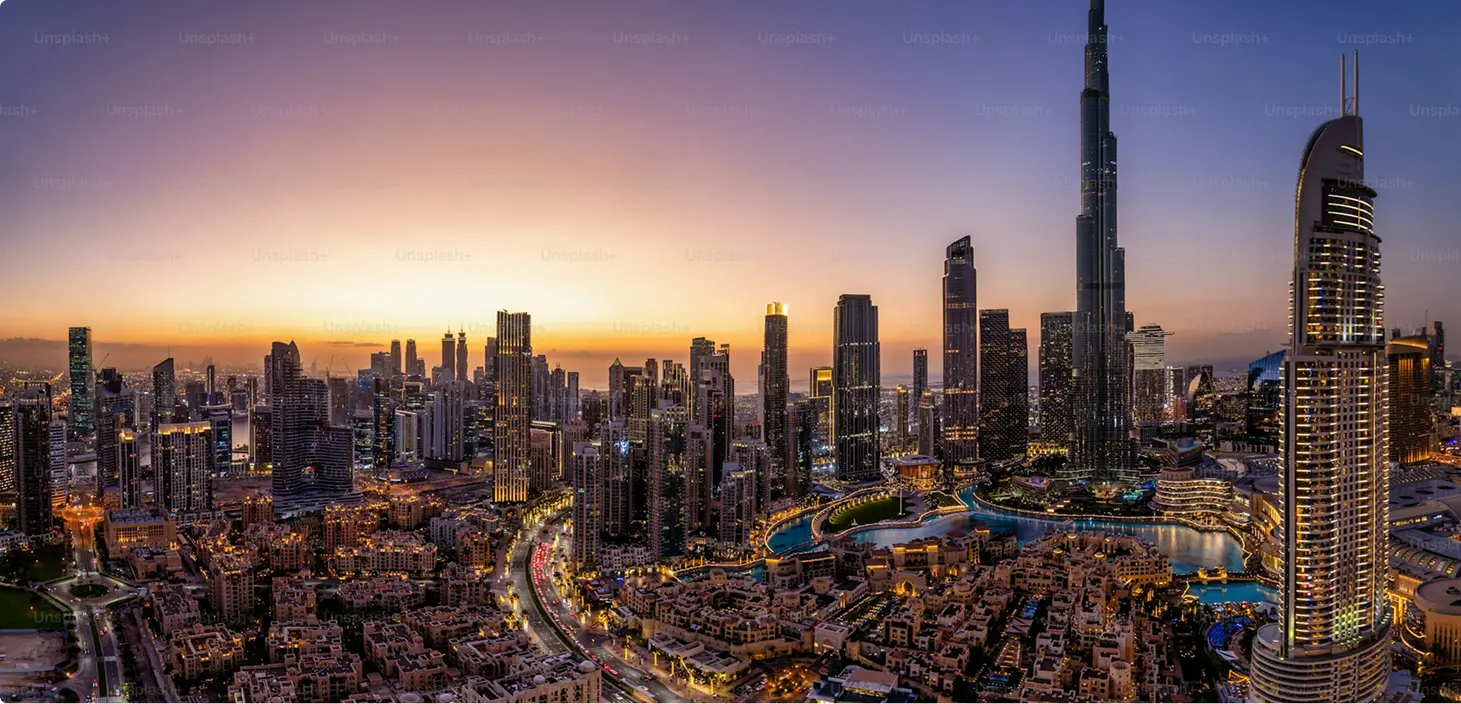
For years, liveability was one of real estate’s most persuasive and least measurable ideas. It helped sell districts, justify premiums and shape master plans, yet it stayed in the language of aspiration. In the UAE, that is changing.
Abu Dhabi and Dubai are translating quality of life into indices, district scorecards, delivery targets and data-supported planning systems. Once liveability becomes measurable, it also becomes investable.
The rise of quantified liveability
In October 2025 Dubai received the UN-Habitat SDG Cities Gold Certification, awarded after an assessment against more than 70 indicators covering governance, infrastructure, quality of life, innovation and sustainability. Under the programme’s certification framework, Gold recognises a city that has put SDG data and a clear process for meeting the goals in place.
Abu Dhabi’s approach is especially instructive. Its Liveability Strategy, run by the Department of Municipalities and Transport, lifted average district completion scores from 67% before its introduction in 2023 to 84% by 2026, through more than 60 projects worth AED 12 billion, part of a broader AED 42 billion programme approved in September 2025. In 2026 the Department launched Phase 2 of the strategy, a five-year roadmap running to 2031 that shifts the focus from installing public amenities to measuring how well they perform for residents. These are tracked, reported outcomes tied to a measurable framework, which is what separates them from narrative commitments.
Ranking tables tell a more complicated story. The Middle East and North Africa recorded the sharpest regional decline of any region in the Economist Intelligence Unit’s 2026 Global Liveability Index, and both cities’ global rankings slipped as a result. Within the region, though, Abu Dhabi has held first place for the eighth consecutive year, a reminder that composite rankings move with events well beyond a developer’s control, while relative standing has proven more durable. Measured delivery programmes move with decisions inside it.
From urban feel to urban evidence
The most important shift is conceptual. Liveability is moving from a subjective impression to a system of observable variables: access to schools and parks, walkability, mobility networks, social infrastructure, environmental quality and service responsiveness.
Abu Dhabi’s first phase shows what that looks like on the ground: more than 200 parks and sports courts, 24 schools, 21 mosques, 28 community majlises, nearly 120 km of walking paths, 283 km of cycling tracks and about 220 km of new street lighting. Dubai’s certification layers governance and innovation indicators alongside physical infrastructure.
For master developers, this creates a new accountability context. Unit sales and service charge recovery remain the headline measures, but the variables city governments now report publicly are the same ones residents use to judge a community day to day. The gap between what a development promises and what residents experience is moving from brand perception towards measurable performance.
Where the alpha sits
If liveability is investable, it should show up in price, and the evidence that it does keeps building. A 2026 systematic review of 180 peer-reviewed studies found a consistent, if highly variable, price premium attached to urban green space, shaped by its proximity, size, quality and accessibility. One of the clearest results comes from Seoul, where apartment complexes with above-average green space and visible greenery saw price increases around 20% higher than average between 2016 and 2022, across 704 complexes.
Comparable transaction-level evidence for GCC master communities is still scarce, which is where the opportunity lies. The developers who measure how experience, access and operational quality show up in resale values and rents will be the ones able to price liveability with confidence, and to defend that price when the market becomes more selective.
What this means for how developments are designed and operated
The shift from aspiration to measurement has three practical implications for master developers.
Operational decisions made at master plan stage carry liveability consequences. The sizing and specification of public realm, the placement of community management infrastructure and the sourcing model for facilities management (FM) and community management (CM) services all shape where a development sits on measurable liveability variables. Getting them right before the master plan is fixed costs materially less than correcting them afterwards.
Technology investment needs to be anchored to experience outcomes. Technology installed without reference to residents’ daily lives produces operational data that nobody uses. Technology specified from experience intent, from what residents actually need the place to do, produces intelligence that improves both the resident experience and the operational performance of the development.
The operating model determines whether the liveability promise holds over time. A development can score well at launch and lose ground as FM and CM quality drifts. The governance structures, playbooks and sourcing strategies that hold performance over the full life of a development are where long-term value is made or lost.
The Cornerstone view
The liveability shift rewards developers who have invested in operational discipline and exposes those who have not. The developers who will hold pricing, sustain demand and attract long-term residents are the ones who have designed the experience into the operational layer, not the ones who commissioned a render.
Place Experience Design, Place Intelligence Design and Place Operating Model Design are the frameworks through which Cornerstone helps developers build that operational layer. The liveability indices are measuring what our work is built around: whether a development works for the people in it, on an ordinary day.
- Dubai Media Office,Dubai receives UN SDG Cities Gold Certification, October 2025
- UN-Habitat SDG Cities, certification framework
- Abu Dhabi Media Office,Liveability Strategy enhances average district completion scores, September 2025
- The National, Abu Dhabito invest Dh42 billion to boost quality of life, September 2025
- Gulf News, Abu Dhabi completes 60 projects worth Dh12 billion, launches next phase, September 2026
- Gulf News, Abu Dhabi puts quality of life at the heart of urban planning, September 2026
- The Economist, Off theCharts, The world’s most, and least, liveable cities in 2026, July 2026
- Aletihad, Abu Dhabi and Dubai most liveable cities in the Middle East, June 2025
- Forests, Decoding the green premium: asystematic review of multidimensional economic value drivers from urban forestsand green spaces, 2026
- Land, Green space and apartment prices:exploring the effects of the green space ratio and visual greenery, 2023
The developers who will hold pricing, sustain demand, and attract long-term residents are the ones who have designed the experience into the operational layer, not the ones who commissioned a render.


If you want to understand how these frameworks apply to your portfolio
Contact usDownload this quote
The selected quote appears here.